What to Fix Before Selling Your Southern Oregon Home (and What to Skip)The most common question I hear from sellers, whether they live down the street in Medford or across the country, is a simple

Dated: September 20 2026
Views: 12
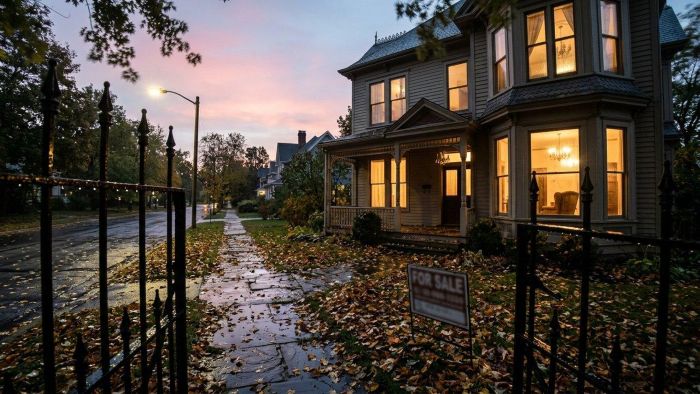
Keeping power on in a vacant house in Southern Oregon reduces freeze, leak, mold, and safety risks, and can help maintain insurance coverage.
When a house sits empty in Josephine or Jackson County, leaving the power on is a practical step to help protect your investment. Electricity enables key systems like alarms, cameras, and sump pumps, so problems can be caught early before causing serious damage.
Heating is especially important in Southern Oregon, where cold snaps can happen even in milder months. Keeping heat on, or maintaining a safe indoor temperature, reduces the risk of pipes freezing and bursting. Insurers often expect this step to be taken, and damage from frozen pipes might not be covered if heat is not maintained or pipes are not drained.
Insurance guidance, local property management practice, and common sense all agree: a small utility bill is usually worth preventing mold, freeze, or leaks that might cost thousands to repair. It’s about risk control - not unnecessary spending.
A few critical benefits make utility service an important consideration for vacant houses in Medford, Grants Pass, and the surrounding communities.
Insurance is a main driver for keeping utilities on in a vacant house in Southern Oregon. Policy language often excludes certain claims - like frozen plumbing or vandalism - if heat and electric service are not maintained.
When a house sits empty, most insurers expect basic utility service to support regular maintenance and monitoring. Otherwise, owners may find their coverage is restricted or denied.
Vacancy clauses, reduced coverage, or requirements for special endorsements are common. Checking your policy and talking with your insurer is crucial.
Property managers and owners in Rogue River, Central Point, and nearby towns usually keep essential utilities running when a home is empty. This makes it possible to show the home, perform inspections, and handle maintenance issues without delay.
Early identification of leaks, HVAC failures, or electrical issues is easier if power and basic utilities remain on. Quick responses to problems are less costly than after-the-fact repairs.
Oregon’s landlord-tenant guidance and property management best practices highlight that a vacant home must stay safe from avoidable hazards. Keeping essential systems running achieves this goal.
A few extra dollars on the utility bill now can prevent thousands in repairs or insurance headaches later.
The cost of keeping utilities on might seem like a waste if no one is living there, but it’s generally far less expensive than dealing with major property damage. Frozen pipes, mold, or large leaks can lead to repairs that easily exceed the total cost of months’ worth of utility bills.
Many Southern Oregon owners choose to keep just the essential utilities active - power, heat, water, or internet for monitoring - while scaling back or canceling nonessential services. The right balance depends on season, vacancy length, and whether the property has been professionally winterized.
Some believe turning all utilities off is the safest, cheapest approach, but this often leads to bigger risks if pipes freeze or systems like heat and sump pumps can’t operate. Unless the home is professionally winterized and monitored, total shutoff can be more dangerous than leaving basics on.
Another common myth is that insurance concerns only kick in after a sale, but many vacancy clauses and expectations take effect as soon as the home is empty. Check your policy and your agent’s advice, not just your closing date.
The main consideration isn’t simply whether the property is vacant, but how you will keep it safe, maintainable, and insurable while it’s empty. Start by thinking about what risks exist - weather, security, plumbing, and policy requirements - and match utility service to those needs.
Generally, maintaining power and heat is smart for most vacant homes in Josephine and Jackson Counties, unless the home is fully winterized and regularly checked. Ultimately, the utility bill is often the smaller price to pay for lasting protection and peace of mind.
Evaluate the specific needs and vulnerabilities of your house, then work with local guidance and insurance requirements to set your utilities accordingly.
This article shares practical reasons for keeping utilities on in vacant homes, based on Oregon guidance as of September 2026. Consult your insurer and local regulations for requirements specific to your property.
If you're considering selling a vacant house, let's talk. 541-659-1209.

Decades of Experience. Personalized Real Estate.Real estate isn’t just about properties—it’s about people. And after over 30 years in this business, I’ve learned that what clie....
What to Fix Before Selling Your Southern Oregon Home (and What to Skip)The most common question I hear from sellers, whether they live down the street in Medford or across the country, is a simple
Why Keeping Power On Can Protect a Vacant HouseThe Short VersionKeeping power on in a vacant house in Southern Oregon reduces freeze, leak, mold, and safety risks, and can help maintain insurance
September and October in Southern Oregon: How the Fall Event Calendar Creates a Second Relocator Wave for Property OwnersMost people assume that the relocator season ends when summer does. But in
Cycle Oregon 2026 Arrives in Grants Pass. What This Major Event Means for Property Owners Across Southern OregonFrom August 28 through September 2, one of the Pacific Northwest's most celebrated
 Southern Oregon Multiple Listing Service All information deemed reliable but not guaranteed. All properties are subject to prior sale, change or withdrawal. Neither listing broker(s) or information provider(s) shall be responsible for any typographical errors, misinformation, misprints and shall be held totally harmless. Listing(s) information is provided for consumer's personal, non-commercial use and may not be used for any purpose other than to identify prospective properties consumers may be
interested in purchasing. The data relating to real estate for sale on this website comes in part from the Internet Data Exchange program of the Multiple Listing Service. Real estate listings held by brokerage firms other than eXp Realty in Southern Oregon may be marked with the Internet Data Exchange logo and detailed information about those properties will include the name of the listing broker(s) when required by the MLS. Copyright ©2026 All rights reserved.
Last Updated: September 24, 2026 11:47 PM UTC
Show More...
Southern Oregon Multiple Listing Service All information deemed reliable but not guaranteed. All properties are subject to prior sale, change or withdrawal. Neither listing broker(s) or information provider(s) shall be responsible for any typographical errors, misinformation, misprints and shall be held totally harmless. Listing(s) information is provided for consumer's personal, non-commercial use and may not be used for any purpose other than to identify prospective properties consumers may be
interested in purchasing. The data relating to real estate for sale on this website comes in part from the Internet Data Exchange program of the Multiple Listing Service. Real estate listings held by brokerage firms other than eXp Realty in Southern Oregon may be marked with the Internet Data Exchange logo and detailed information about those properties will include the name of the listing broker(s) when required by the MLS. Copyright ©2026 All rights reserved.
Last Updated: September 24, 2026 11:47 PM UTC
Show More...
